

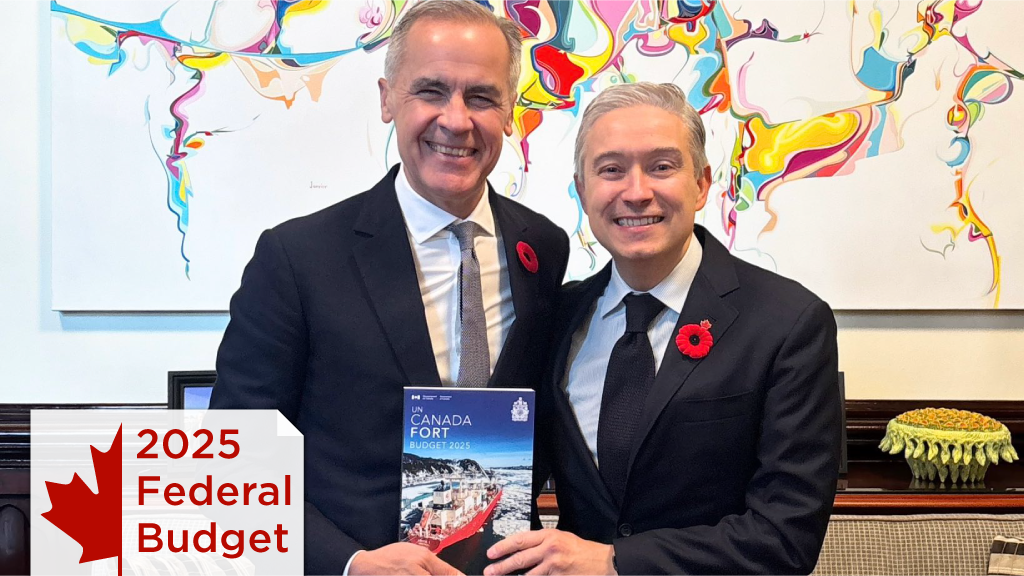
OTTAWAÌýÌý—ÌýThis year’s federal budgetÌýcontainsÌýa deficitÌýnearly twiceÌýthe size forecast by the Liberals a year ago, as Prime Minister Mark Carney’s government prioritizes capital project spending over programs and services.Ìý
The budget tabled Tuesday projects a $78.3-billion total deficit — the amount of money spent by the government beyond its revenues — for this fiscal year. The figure would steadily decrease toÌý$56.6-billionÌýby 2029-30.Ìý
Ottawa’s fall economic statement tabled late last year had projected a deficit ofÌý$42.2 billionÌýfor this fiscal year.Ìý
But that estimate was issued before U.S. President Donald Trump’s tariffs on Canada and countries across the world, which turned economic forecasts upside down. Ottawa said the effects of the Canada-U.S. trade war and uncertainty over future trade rules have weighed heavily on the Canadian economy, while creating risks to its outlook.Ìý
While the latest deficit comes in well above last year’s estimate, experts sayÌýit’sÌýbroadly in line with expectations.Ìý
The Office of the Parliamentary Budget Officer projected in late September that the deficit for the current fiscal year would increase “sharply” toÌý$68.5 billion. A report that month by TD Securities also said the government’s announced spending commitments wouldÌýlikely driveÌýthe 2025-26 deficit aboveÌý$60 billionÌýamid a shift to a “more expansionary fiscal policy.”Ìý
TD senior economist Francis Fong called it a “hard-nosed budget” compared with those ofÌýpreviousÌýLiberal governments under former prime minister Justin Trudeau.ÌýThat’sÌýbecause it focuses on “just a few key areas” for spending — competitiveness, trade diversification,ÌýdefenceÌýand housing — rather than a broader range of various initiatives.Ìý
“Carney’s still swinging for the fences in terms of trying to fundamentally reorient the Canadian economy,” Fong said in an interview.Ìý
“That’s an expensive proposition and hence we see the deficit blow out partly as a consequence of that.”Ìý
The Liberals’ budget pegged this year’s federal debt-to-GDP ratio at 42.4 per cent. Ottawa said it expects a deficit-to-GDP ratio of 2.5 per cent, which would fall to 1.5 per cent over five years.Ìý
Tuesday’s budget also includes alternative economic forecasts in both downside and upside scenarios.Ìý
In the former, trade uncertainty would persist beyond 2026 amid escalating geopolitical tensions, ambiguous U.S. tariffÌýplansÌýand continued challenges in negotiating trade agreements.Ìý
That would cause the budgetary balance to deteriorate by an average of approximatelyÌý$9.2 billionÌýper year, while the federal debt-to-GDP ratio would be expected to rise to 45.3 per cent by 2028-29 before falling to 45.2 per cent by 2029-30.Ìý
In the upside scenario, the budgetary balance would improve by an average of approximatelyÌý$5 billionÌýper year and the federal debt-to-GDP ratio would stabilize in the near-term before falling to 42.2 per cent by 2029-30.Ìý
That optimistic alternative hinges on trade policy uncertainty easing more quickly thanÌýanticipated, including through Canada’s efforts to streamline internal trade, bolster competition and build relationships with global partners other than the U.S.Ìý
Earlier this week, the federal Conservatives urged the Liberals to cap this year’s deficit atÌý$42 billion.Ìý
But Finance Minister François-Philippe Champagne said Tuesday the ongoing level of economic uncertainty “is higher than what we have seen and felt for generations.”Ìý
“When your largest trading partner fundamentally reshapes all of its trade relationships, there are two responses. You can slash the deficit, hunker down, hope for the best,ÌýwaitÌýand see if the ‘trickleÌýdown’Ìýever comes,” said Champagne in his remarks in the House of Commons.Ìý
“That approach, to balance the budget this year, would have to eliminate vital social programs and all the capital investments needed for Canada’s future. We choose a different path.”Ìý
Ottawa is promising “generational” investments in key projects —Ìý$25 billionÌýfor housing,Ìý$30 billionÌýforÌýdefenceÌýand security,Ìý$115 billionÌýfor major infrastructure andÌý$110 billionÌýto drive productivity and competitiveness over five years.Ìý
“Budget 2025 is a plan to catalyze investments from provinces, territories, municipalities, Indigenous communities and the private sector,” said Champagne.Ìý
“With this plan, in five years, we will seeÌý$1 trillionÌýin total investments in this country.”Ìý
The Liberals’ 2025 budget makes a key change to the presentation of the annual deficit, as it divides the budget into capital and operating streams.Ìý
Anything related to creating capital assets is considered capital spending, such as infrastructure and homes. Operational spending isÌýlargely madeÌýup of government salaries,ÌýtransfersÌýand program spending — costs the Liberals have been examining under a spending review.Ìý
The federal government said capital investment would account for 58 per cent of this year’s projected deficit, but rise to 100 per cent from 2028-29 onward, when day-to-day operational spending would be brought in line with revenues.Ìý
“This necessary shift is key to theÌýgovernmentÌýrealizing its target of catalyzingÌý$500 billionÌýin additional private sector investment over the next five years,” the budget said.Ìý
While the budget is optimistic about driving private investment through boosted capital spending, Fong saidÌýit’sÌýunclear if those dollars will indeed follow. He said the budgetÌýdidn’tÌýadequately address the “fundamental difficulty” that firms in Canada face when it comes to tax and regulatory compliance.Ìý
“This felt like a ‘build it and they will come’ kind of a budget, the sort of hope that if we put the right pieces in place — infrastructure, investmentÌýincentives — that theyÌýwill come,” said Fong.Ìý
“Where’s the fundamental change in that calculus for firms to really be excited about what it means to trade or invest in Canada today? We didn’t necessarily see a lot ofÌýdetailÌýthere.”Ìý
Meanwhile, the government said its spending review will saveÌý$13 billionÌýannually by 2028-29, combining with other measures to reduce spending by a total ofÌý$60 billionÌýover five years. It said those savings would be found by restructuring operations,ÌýconsolidatingÌýinternalÌýservicesÌýand rightsizing programs.Ìý
By 2029-30, it expects capital investments toÌýriseÌý8.4 per cent, while direct programÌýexpenseÌýwill fall one per cent.Ìý
Other cuts include reducing the size of the public service workforce, which Ottawa wants to “return…to a more sustainable level.”Ìý
The budget said the public service has expanded at an unprecedented rate since 2019 and it wants to bring that in line with Canadian population growth.Ìý
“A leaner public service is a more empowered and productive public service,” it said.Ìý
©2025 The Canadian Press




Recent Comments
comments for this post are closed