


This is an updated versionÌýfrom a previous story that was published Dec. 15Ìý
A BC Supreme Court (BCSC) ruling has found J. Cote & Son Excavating Ltd. guilty of two counts of criminal negligence in a 13-year-old workplace incident that resulted in the trench death of pipelayer Jeffrey Caron, 28, and severe injury to fellow employee Thomas Richer when a retaining wall fell onto them.
TheÌýforemanÌýDave Green was also charged with criminal negligenceÌýandÌýmanslaughterÌýbut was acquitted ofÌýbothÌýcharges.ÌýAfter hearing the judge’s ruling in court on Dec. 11,ÌýGreenÌýwas seen thanking his counselÌýand also crownÌýlawyers butÌýleft refusing anyÌýcomment to the press.ÌýÌý
The case focuses on an incident that occurredÌýin October 2012Ìýwhen a Burnaby city sewer projectÌýinvolving the digging of a trench caused aÌýneighbouringÌýwall toÌýcollapse whileÌýtheÌýtwo workers were in theÌýexcavated area.ÌýÌý
In earlier testimonyÌýduringÌýthe lengthy court hearing, which was spaced over parts ofÌý2025, the courtÌýheard theÌýretaining wall had beenÌýbuilt more thanÌý30Ìýyears earlier by theÌýCity ofÌýBurnabyÌýfollowing aÌýneighbour’sÌý1977ÌýcomplaintÌýabout his property sliding into the lane.ÌýInvestigation after theÌýdeathÌýfound the city had built the wall with no footings and noÌýtie-backs.ÌýÌý
WorkSafeBCÌýseniorÌýstructural and civil engineer Dr. MehrdadÌýHamidiÌýtestified at the hearing.ÌýÌý
Justice Michael Brundrett said it was Dr. Hamidi’s view employers and supervisors must put worker safetyÌýfirst by asking the geotechnical engineer to put supplemental verbal instructions in clear writing on the inspection certificate issued as excavation begins.ÌýÌý
“With respect to the Oct.Ìý2Ìýcertificate, Dr. HamidiÌýnoted that the certificate did not refer to the retaining wall as part of the certification. He opined that the absence of any reference to adjacent structures in the instructionsÌýrenderedÌýthe certificate incomplete,â€� Justice Brundrett said.Ìý
As well, there was ambiguity in theÌýcertificate’sÌýconditionsÌýregardingÌýthe term heavy load, which the geotechnical engineer construed as machinery or vibrations.ÌýÌýÌý
“Mr. (Jamie) Cote and Mr. Green, however, understood the reference toÌý‘heavy loads’Ìýas referring to any load. In other words, they interpretedÌýconditionÌýtwoÌýasÌýpermittingÌýthem to trench near any improvement or structure,Ìýas long asÌýtheyÌýmaintainedÌýa minimum distance of two feet,â€� the justice reasoned.ÌýÌý
Dr.ÌýHamidiÌýstated he had never heard any engineer refer to any structure as a load. HeÌýstatedÌý“heavy loadsâ€�ÌýcommonlyÌýrefersÌýto machinery in an excavation.ÌýÌýÌý
Dr. HamidiÌýstated in one of two reports (one for the RCMP investigation) he prepared after the death,Ìýthat when faced with a geotechnical engineer’s instruction that does not account for the presence of adjacent structures in the planned trench area, the supervisor should stop work and implement safety measures, Justice Brundrett wrote.ÌýÌýÌý
“Dr. HamidiÌýsuggested that the supervisor should contact the geotechnical engineer to point out the oversight and request an updated instruction that specifically considers the adjacent structures. This clarified guidance must include the steps needed to secure the excavation for safe entry and ongoing work by the crew.â€�ÌýÌý
If the engineerÌýdoesn’tÌýprovide clear instructions,Ìýthen a second engineer should be brought inÌýtoÌýassess the site and give directions. The supervisor should record the issue and steps taken to addressÌýitÌýand the process should be documented as a reference.ÌýÌý
“In this case, neither Mr. Green nor any other supervisor took such action on thisÌýproject,â€�Ìýthe justice said.Ìý
The certificate was given to Green at the siteÌýby geotechnical engineer EdwardÌýYipÌýand the justiceÌýsaid Green had no formal training in reviewing such a document,Ìýas it was usually done in conjunction withÌýmoreÌýsenior staff.ÌýÌý
“Mr. Green asserted that he understood the engineering certificate to require a 0.6ÌýmetreÌýsetback fromÌý‘heavy loads’Ìýadjacent to the excavation and said that, based on his past work with Mr. Yip, he interpreted this term broadly to include retaining walls and similar structures,â€� the justice reasoned.ÌýÌý
However,ÌýGreen never had a specific conversation with Yip to confirm what “loadâ€� meant.Ìý
In 2023, Yip admitted at a disciplinary hearing before the Engineers and Geoscientists that he hadÌýdemonstratedÌýunprofessional conduct by preparing an inadequate geotechnical inspection report whichÌýfailed toÌýnote structures along the trench pathÌýand safety measures to take during the excavation.ÌýÌýYip agreed to aÌýconsent order cancelling his registration with the association and agreed to pay a $10,000 fine and $5,000 toward the association’s legal costs. Ìý
In theÌýBCSCÌýruling, the judge ruled while Green madeÌýmistakes,Ìýthey did not support the manslaughterÌýor criminal negligence charges.ÌýÌý
The justiceÌýsaid the company had an onus to ensureÌýthe wall was property supported and that those working in the areaÌýreceivedÌýproperÌýsafetyÌýtraining;Ìýboth areas he found lackingÌýwhich amounted to a disregard for worker safety.ÌýÌýÌý
CorporateÌýliability under s. 22.1 of the Criminal Code makesÌýcompanies liable for the collective failure of their senior officers.ÌýÌý
“I find that much greater care and attention to the prevention of foreseeable hazards was called for when J. Cote engaged in high-risk activity that posed an obvious and significant threat to worker safety,â€�Ìýthe justice reasoned. “In short, the appropriate standard of care here must recognize the need for increased vigilance and caution because of the high-risk nature of trenching at least eight feet down near obvious, adjacent hazards of unknown stability—a risk that J. Cote itself created.â€�ÌýÌý
Justice Brundrett said while the company relied on Yip – whom it had worked with before – pleadingÌýthis was what was done before isÌýno longer good enough.Ìý
“‘We’ve always done it this way’Ìýdoes not, by itself, establish that reasonable steps are in place to prevent bodily harm in high-risk workplaces, even if such procedures have not yet resulted in harm to workers,â€�Ìýthe justice said, adding such subjectivity negates having a uniform legal standard.ÌýÌý
“A reasonable company would have used shoring equipment to protect its workers and would have had safety procedures in place to ensure that potential hazards, such as the retaining wall, were identified.â€�Ìý
“I find,Ìýbeyond a reasonable doubt, based on the party provisions in s. 22.1(a) of the Code, that J. Cote was a party to the offence by virtue of the collective actions and omissions of its representatives, being primarily Mr. Green but also Mr.Ìý(Gregg) TriggÌý(site superintendent)Ìýand Mr. Cote. Under s. 22.1(b), J. Cote bears responsibility for the collective failure of its senior officers to foresee and prevent the collapse of the retaining wall,â€� the justice said.ÌýÌý
Louisa Winn, lead crown prosecutor, said the crown is reserving commentÌýon an appealÌýuntil there is the opportunity to review the judge’sÌýwritten reasons for judgmentÌýin relationÌýtoÌýÌý
Green.Ìý
On Jan.Ìý7, the crownÌýand defense will meet toÌýdetermineÌýa sentencingÌýhearingÌýdate for the company.ÌýÌýÌý
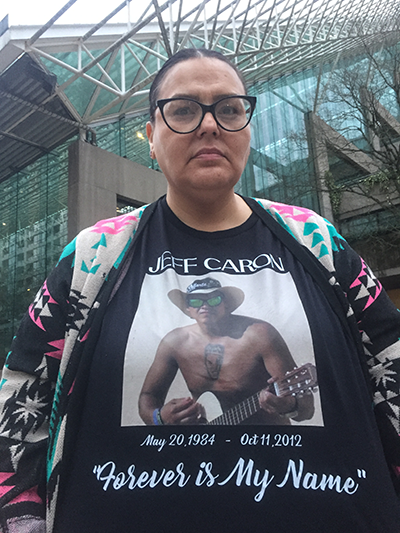
“I am satisfied with the charges against theÌýcompany,â€� saidÌýCheyannaÌýKamahkoostayo, sisterÌýofÌý Caron, interviewed after the court decision wasÌýrendered. “The decision will save lives.â€�Ìý
KamahkoostayoÌýexpressed disappointment with the company for its handling of her brother’s death.ÌýShe said the company sent her brother home “in a coffinâ€� and there was no expression of condolences from the company to the family.ÌýÌý
“There was no acknowledgment of any kind.â€�ÌýÌý
KamahkoostayoÌýsaid an emotional Green, who was testifying at the court hearing earlier that year, had approached her and expressed his remorseÌýsayingÌýhe was “so sorryÌýyour brother died.â€�ÌýÌý
She said she felt there should have been more accountability for Green’s role.ÌýÌýÌýÌý
“He had the chance to stopÌýwork,â€� she said.ÌýÌý
It is only the third workplace case of its kind in B.C. where a construction company and personnel have been charged with criminal negligence.ÌýÌýÌý
It is the first to have gone to a full trial, as one had entered a guiltyÌýpleaÌýand a second had the charges stayed.





Recent Comments
comments for this post are closed